Think Culture Foundation (TCF) and Interdisciplinary Teaching at the University of Melbourne
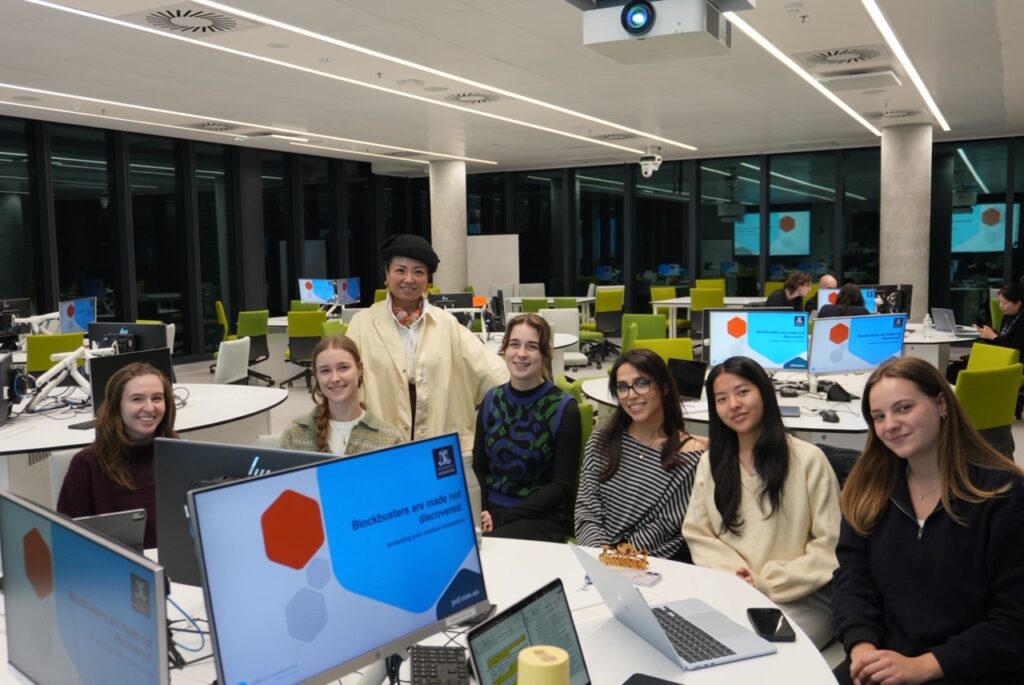
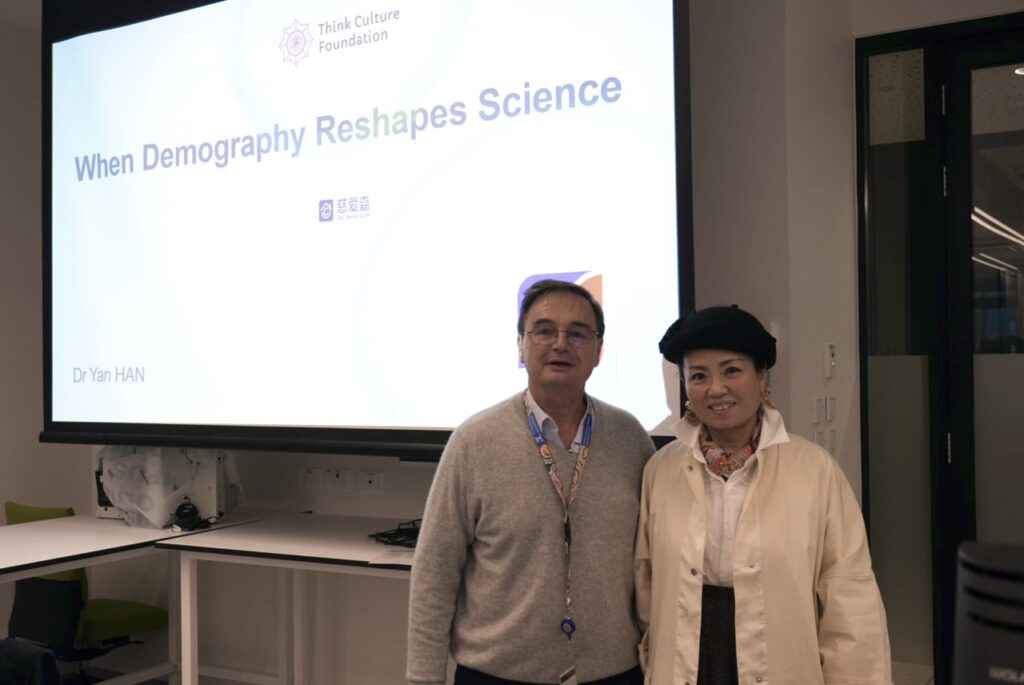
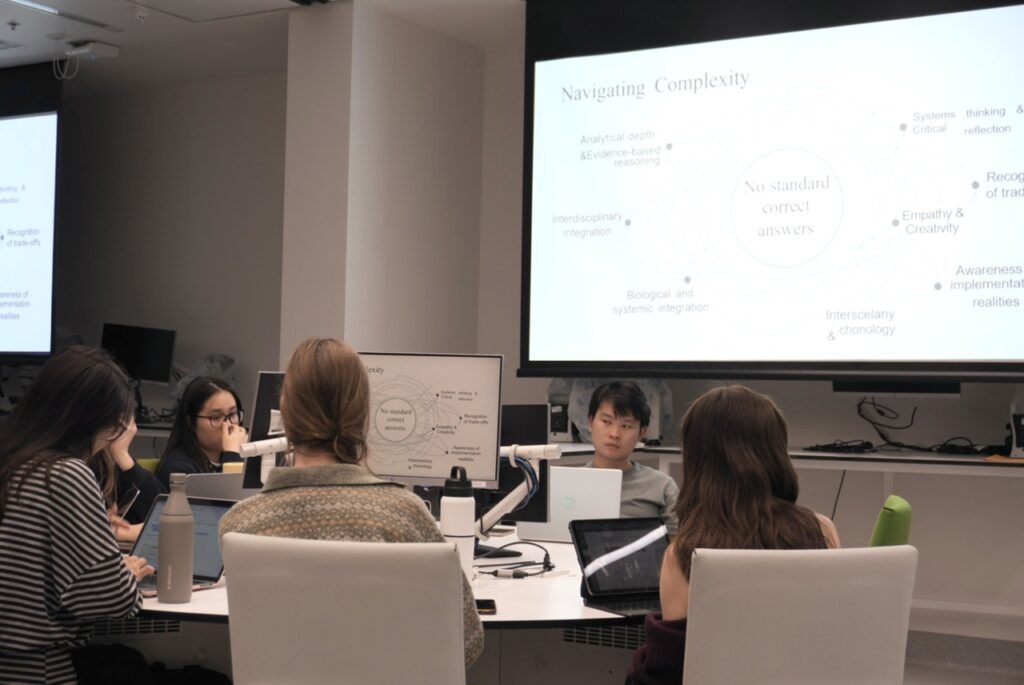
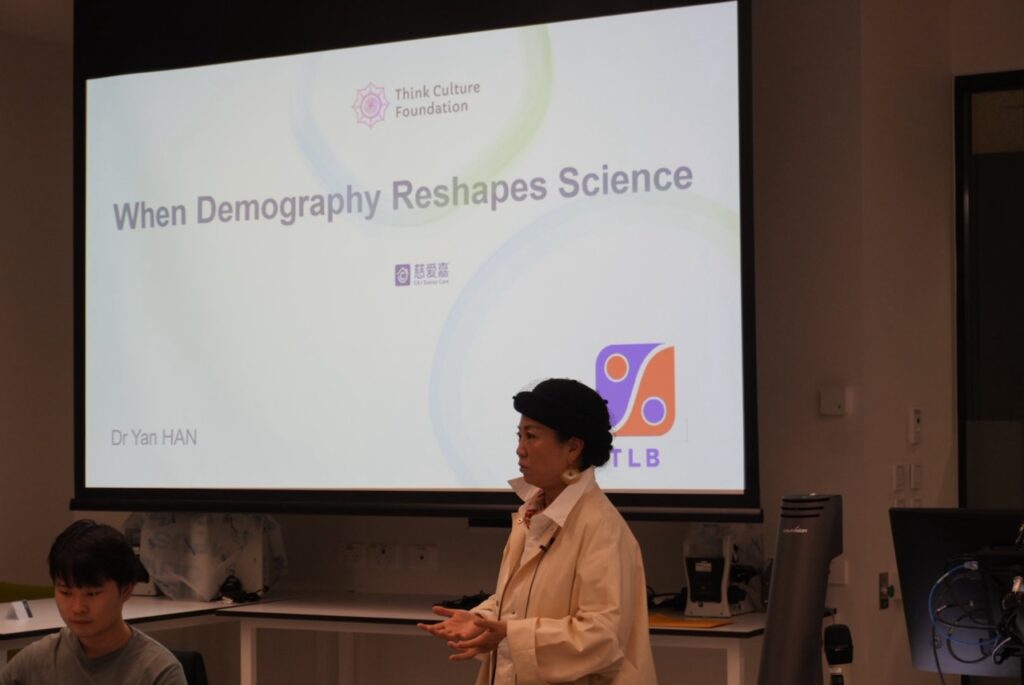
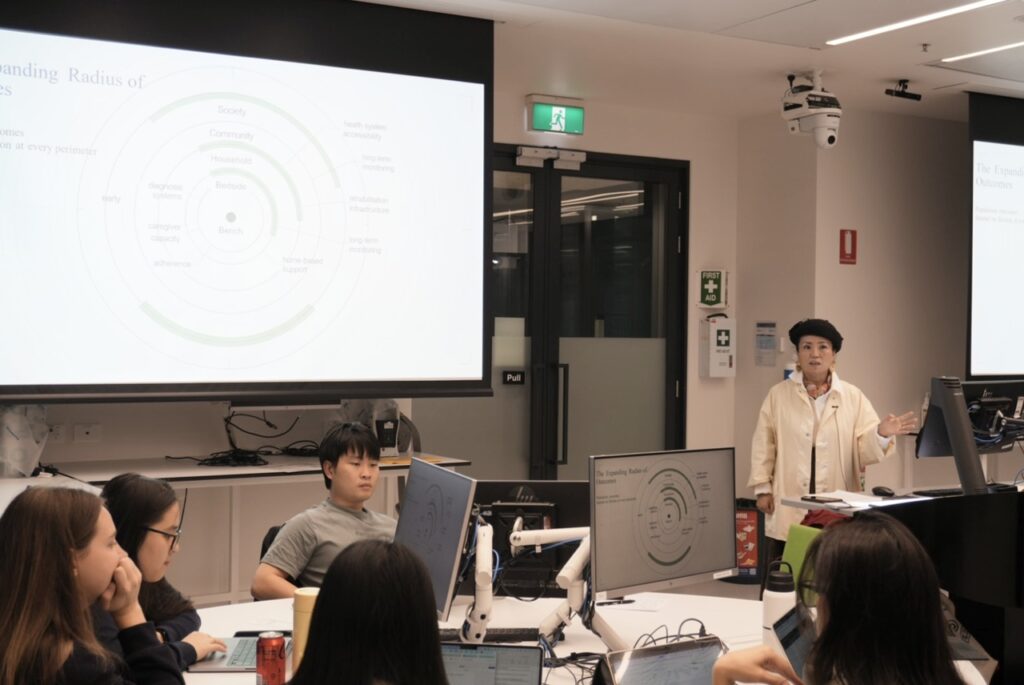
On 11 May 2026, Dr Yan Han, Founder of Think Culture Foundation (TCF), was invited as a guest lecturer to teach in a postgraduate course within the School of Biomedical Sciences at the University of Melbourne. The session focused on topics including population ageing, biomedical innovation, and the future of society, engaging postgraduate students from multiple biomedical disciplines in the in-depth interdisciplinary discussions.
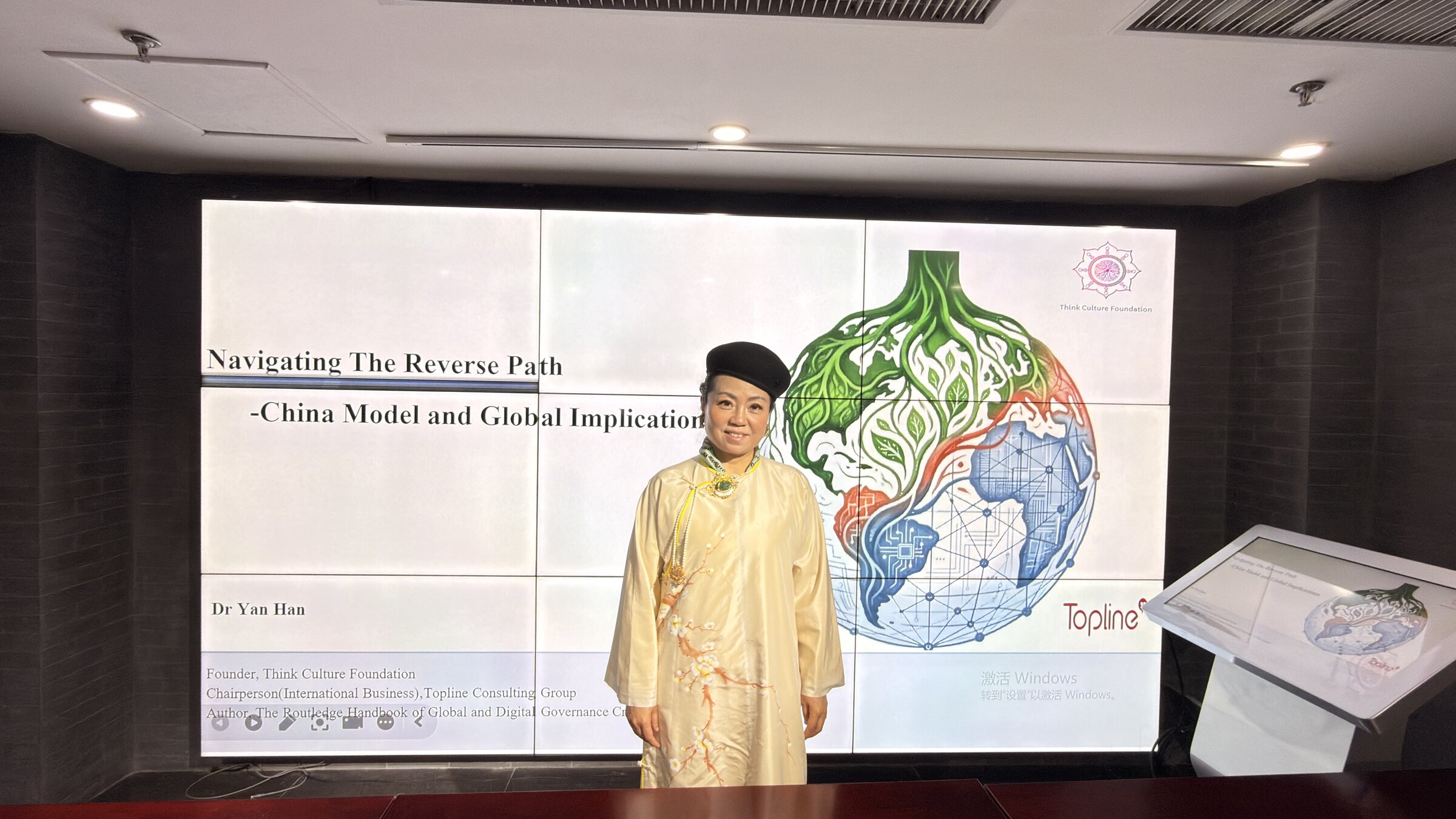
This marked another cross-cultural educational engagement for TCF following its previous lectures delivered to France ICN Business School EMBA students in Beijing in March 2026.
The course formed part of the University of Melbourne’s postgraduate program “Biomedical Enterprise: Research to Impact.” The program aims to help future biomedical researchers understand how scientific research can be translated into real-world societal impact.
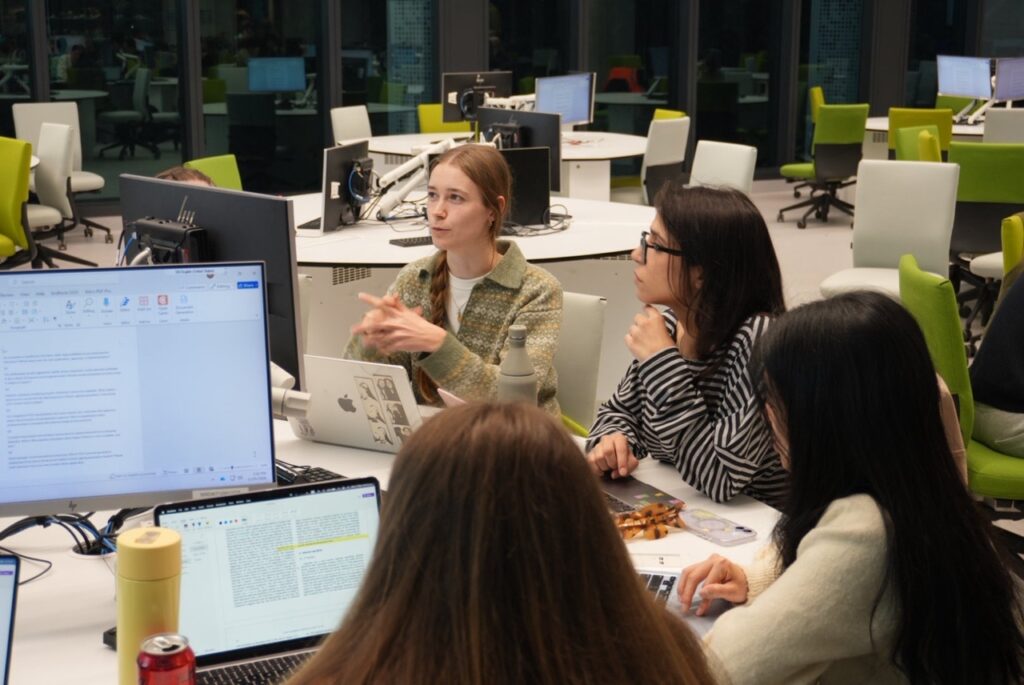
Students participating in the workshop came from a wide range of biomedical fields at the University of Melbourne, including biochemistry, pharmacology, neuroscience, disease modelling, and translational medicine. Discussions extended beyond molecular mechanisms and drug development to broader questions concerning how demographic change may reshape healthcare systems, social organization, and human life.
During the workshop, the Chinese social enterprise CAJ Senior Care was introduced as a discussion case study, encouraging students to reflect on caregiving systems, rehabilitation, community support, and long-term healthy ageing in ageing societies. Many students realized for the first time that societal health outcomes are often shaped not only by scientific discovery itself, but also by accessibility, caregiving infrastructure, community systems, and long-term implementation capacity.
The workshop also introduced a broader translational pathway extending from laboratory research and clinical care to households, communities, and wider social systems. The discussion emphasized that the future of medicine is not only a technological issue, but is also deeply connected to ethics, society, and civilizational structures.
For TCF, this is not simply a lecture, but part of an ongoing cross-cultural dialogue concerning science, humanity, and the future of society.
Looking ahead, TCF will continue to promote international and interdisciplinary dialogues around ageing populations, technology ethics, human-centered innovation, and civilizational transformation.