From Ancient Wisdom to Future AI: Think Culture Foundation at the Data CARE Festival
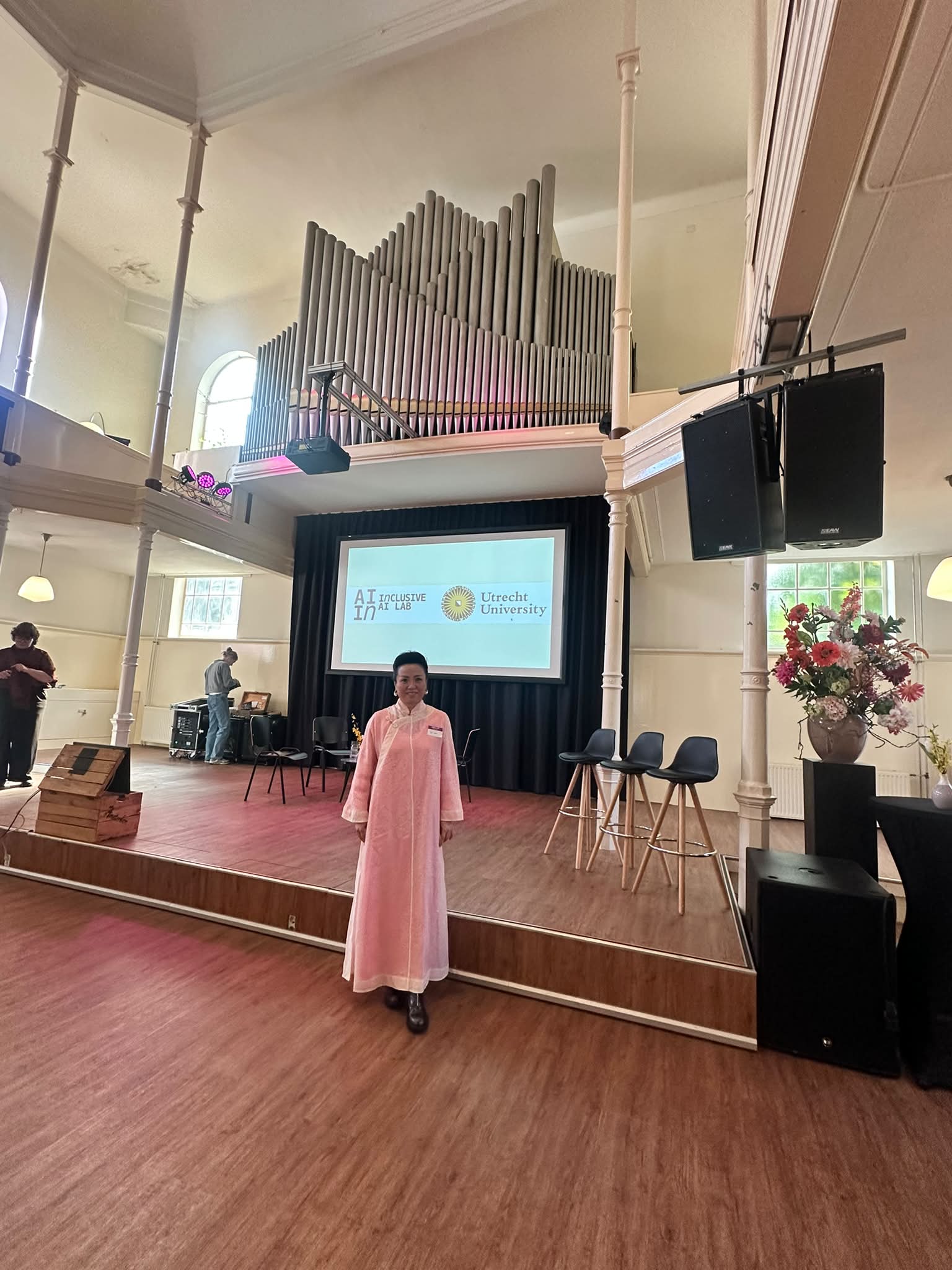
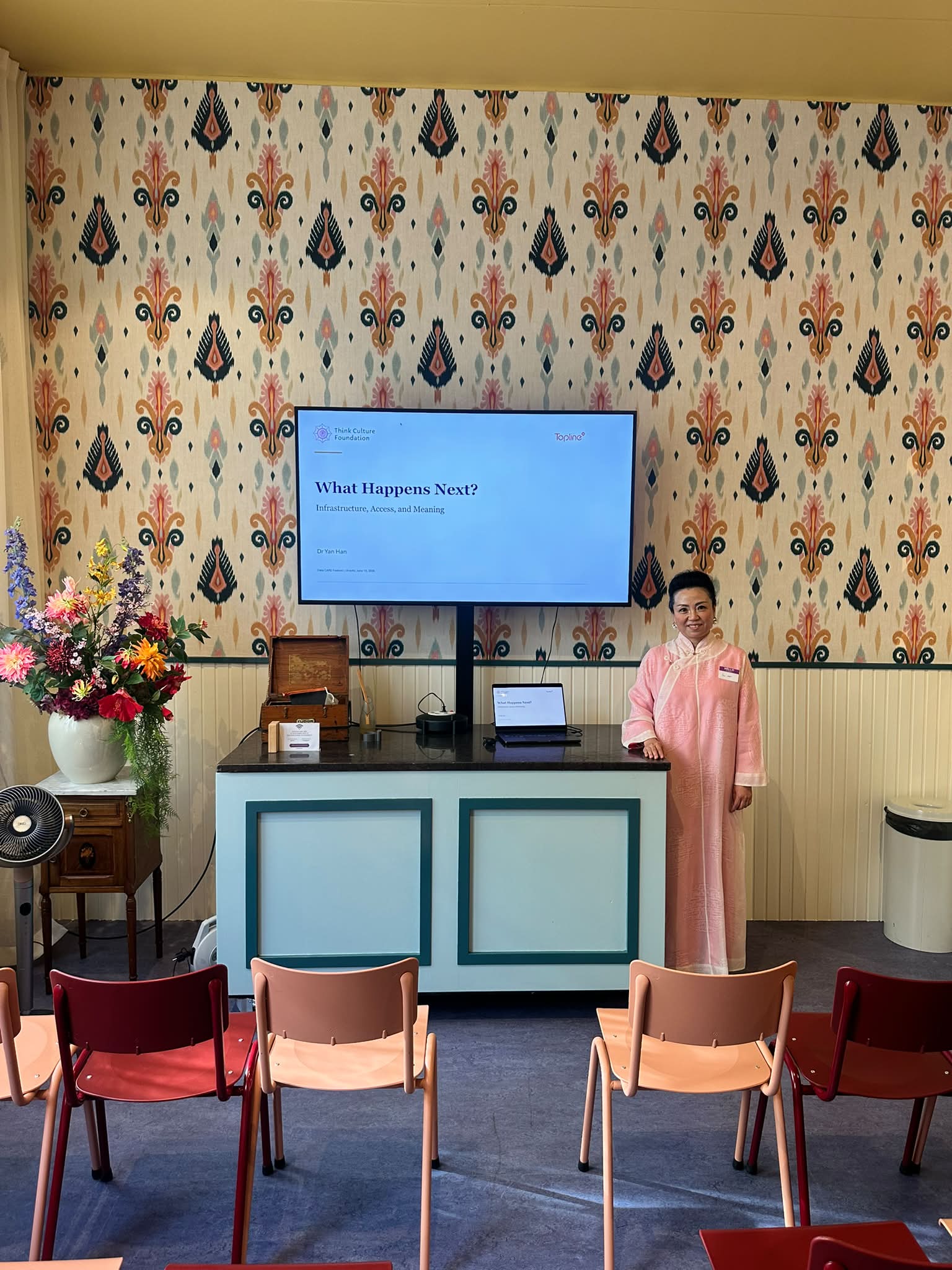
In June 2026, Think Culture Foundation (TCF) participated in the Data CARE Festival in Utrecht, the Netherlands, one of Europe’s emerging interdisciplinary platforms exploring the future of artificial intelligence, sustainability, and social innovation.
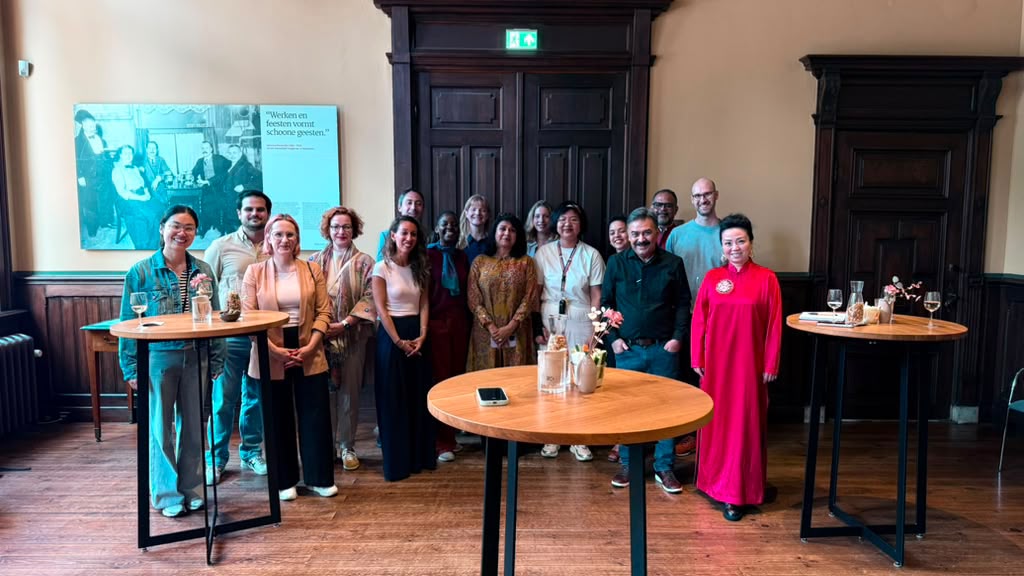
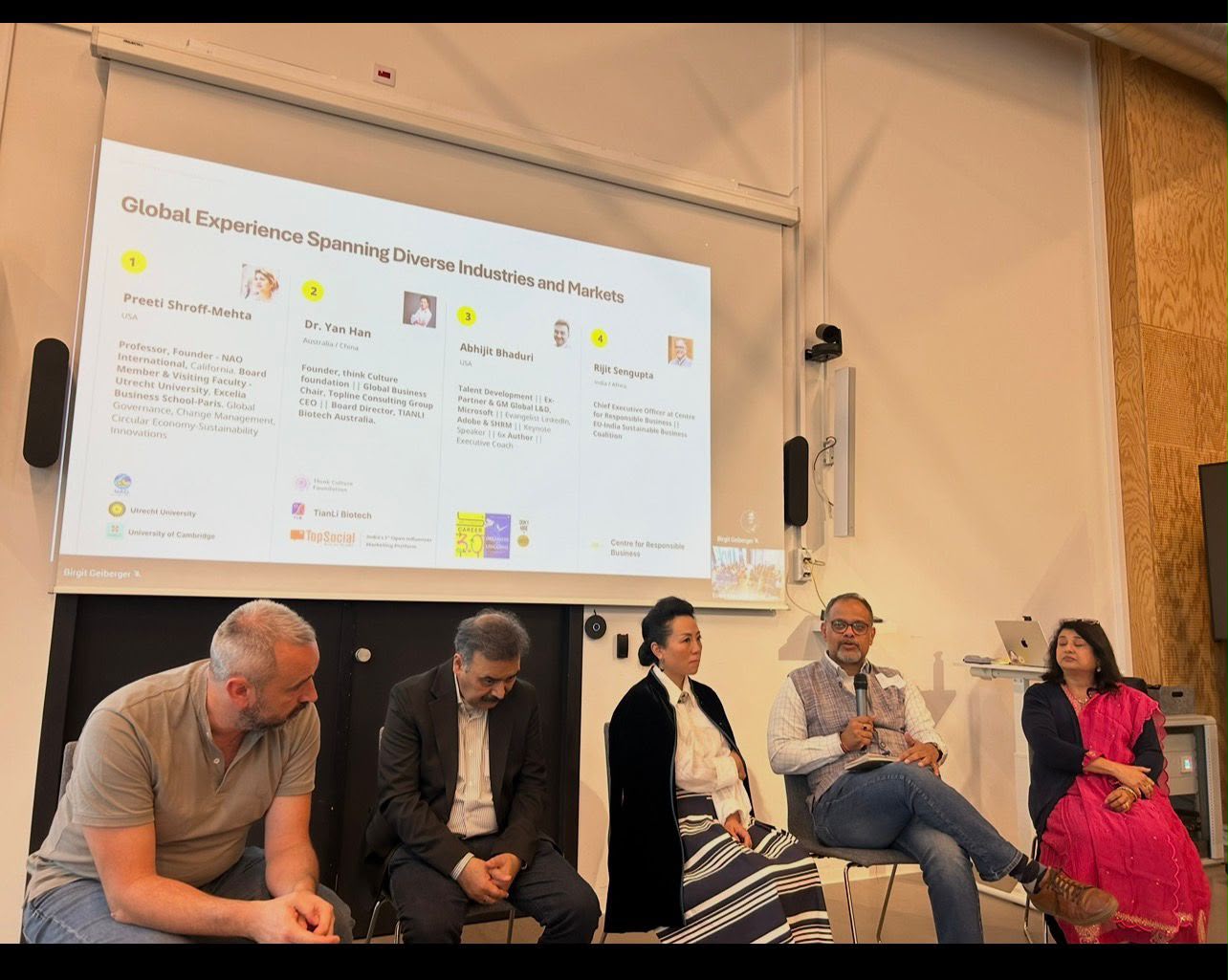
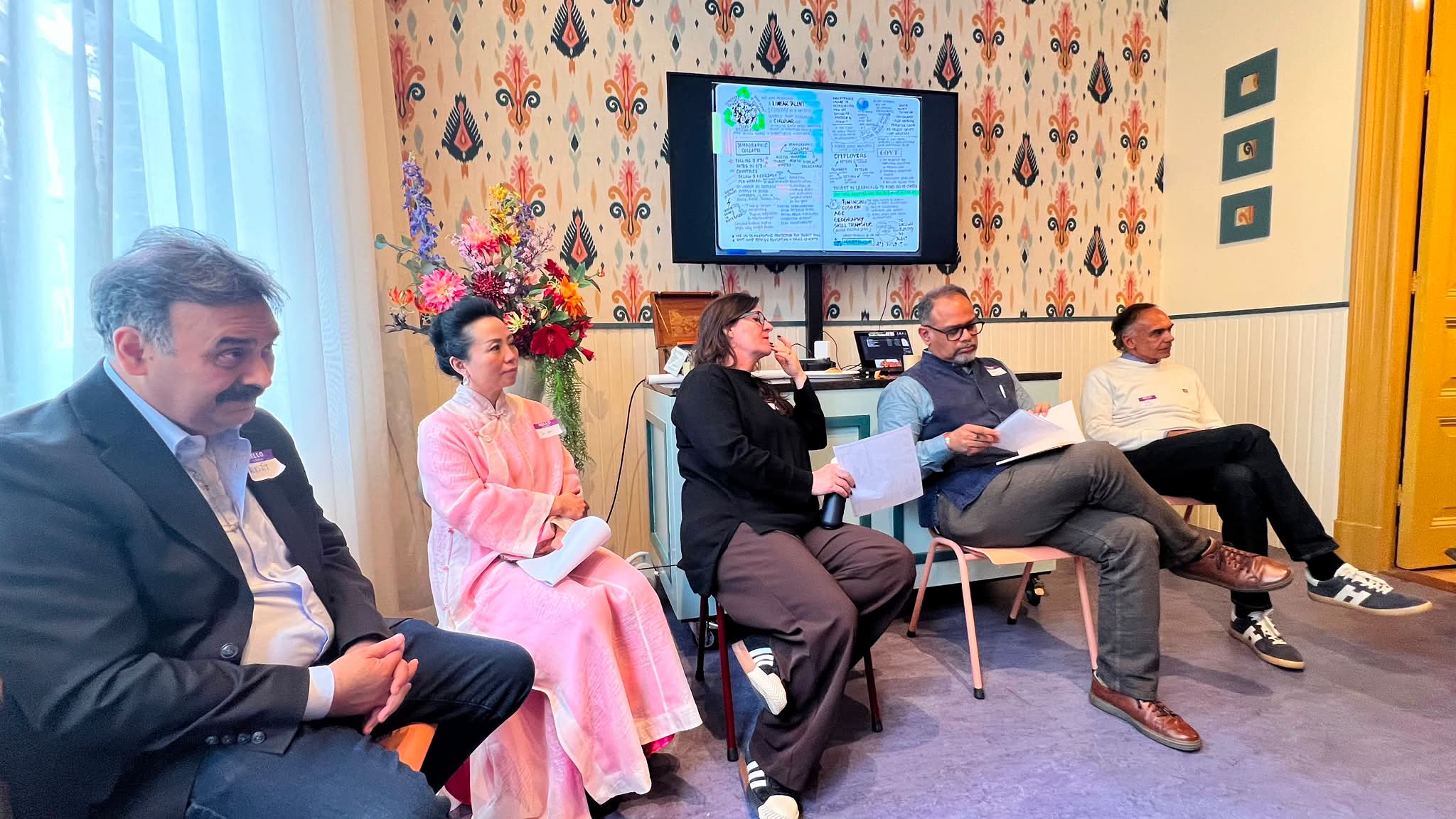
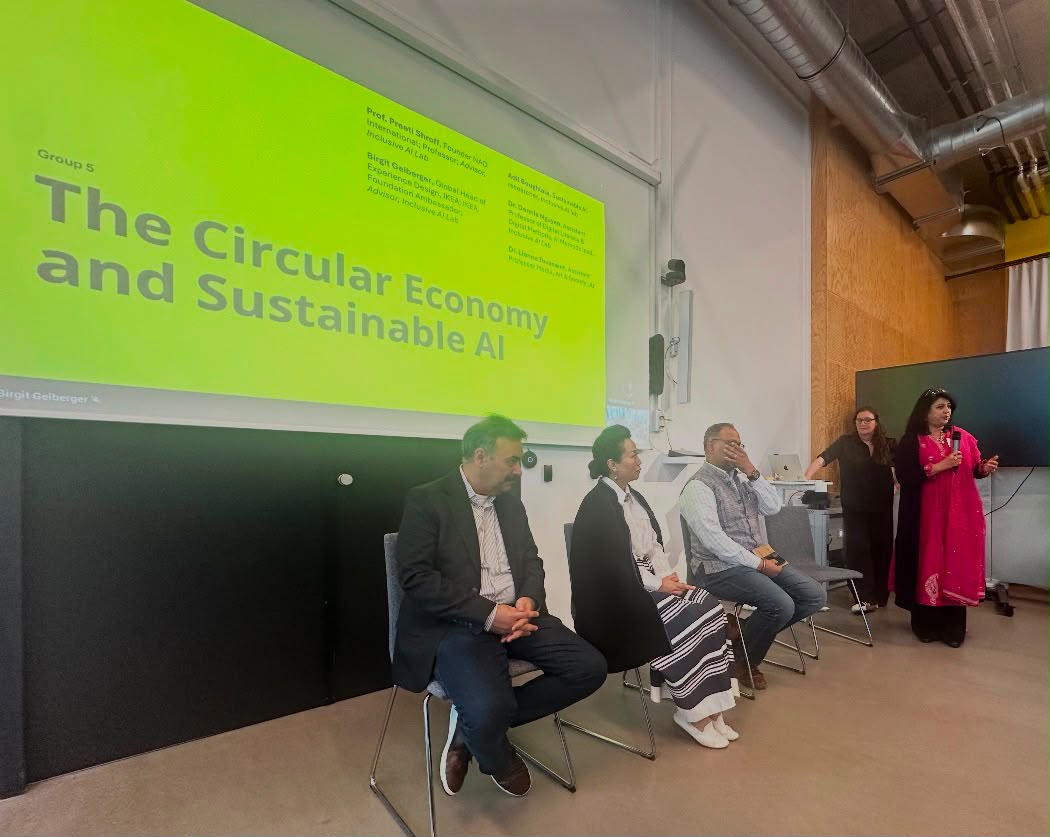
Representing TCF, Dr. Yan Han joined the international expert roundtable on Circular Economy and Sustainable AI Capacity Development and participated in the IKEA Immersion Day, engaging with researchers, business leaders, policymakers, and civic innovators from around the world.
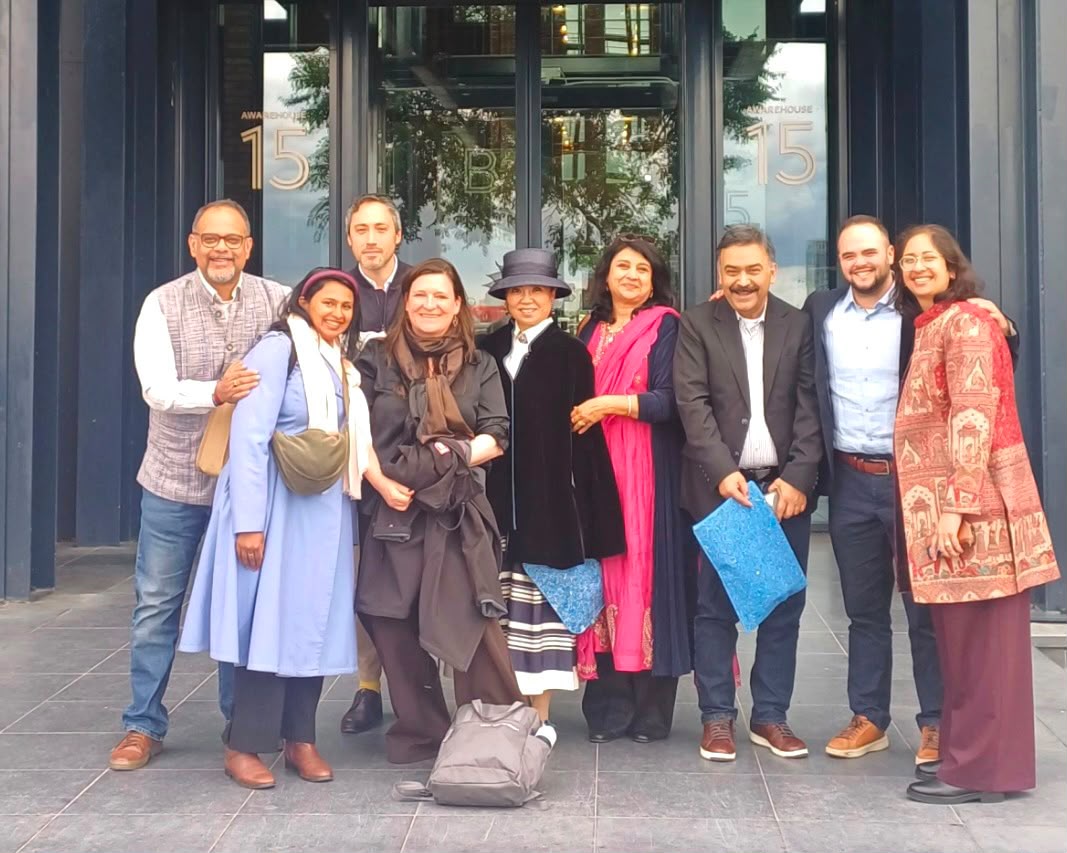
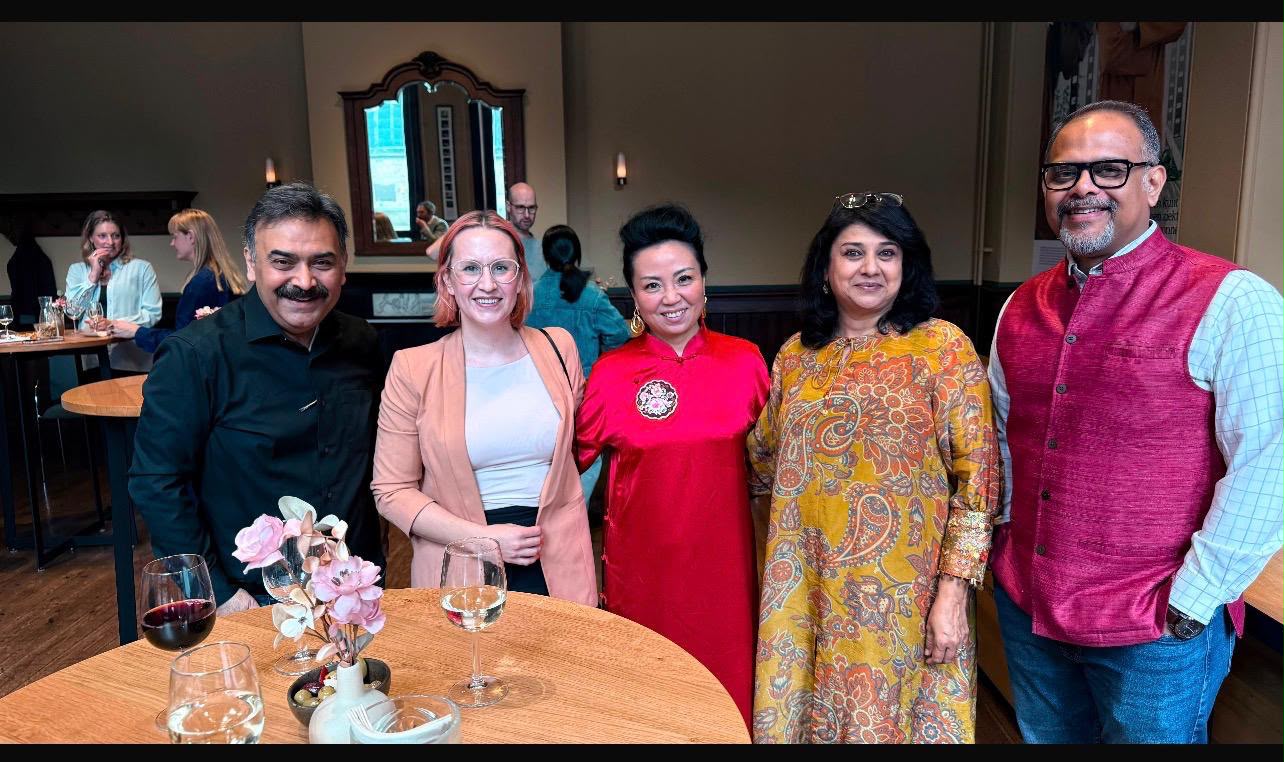
The festival brought together more than 220 participants from 35 countries and over 50 cities. Unlike many traditional academic conferences, over half of the participants came from outside academia, creating a unique environment where research, policy, business practice, and civic innovation could interact directly.
At the heart of the discussions was a shared question: How can societies build AI capacity while ensuring that technological progress remains ethical, inclusive, and sustainable?
While much of the global conversation around sustainable AI focuses on data centers, energy consumption, water use, and regulatory frameworks, Dr. Han offered a complementary perspective. She suggested that the deeper challenge of sustainability in the AI era is not only environmental, but civilizational.
According to Dr. Han, sustainability should not be limited to the efficient use of resources. It should also address the long-term regeneration of human capability, social trust, organizational resilience, and collective meaning. As AI increasingly becomes part of how societies learn, communicate, create, and govern, the question is no longer simply how to make technology sustainable, but how to sustain humanity itself in a technological age.
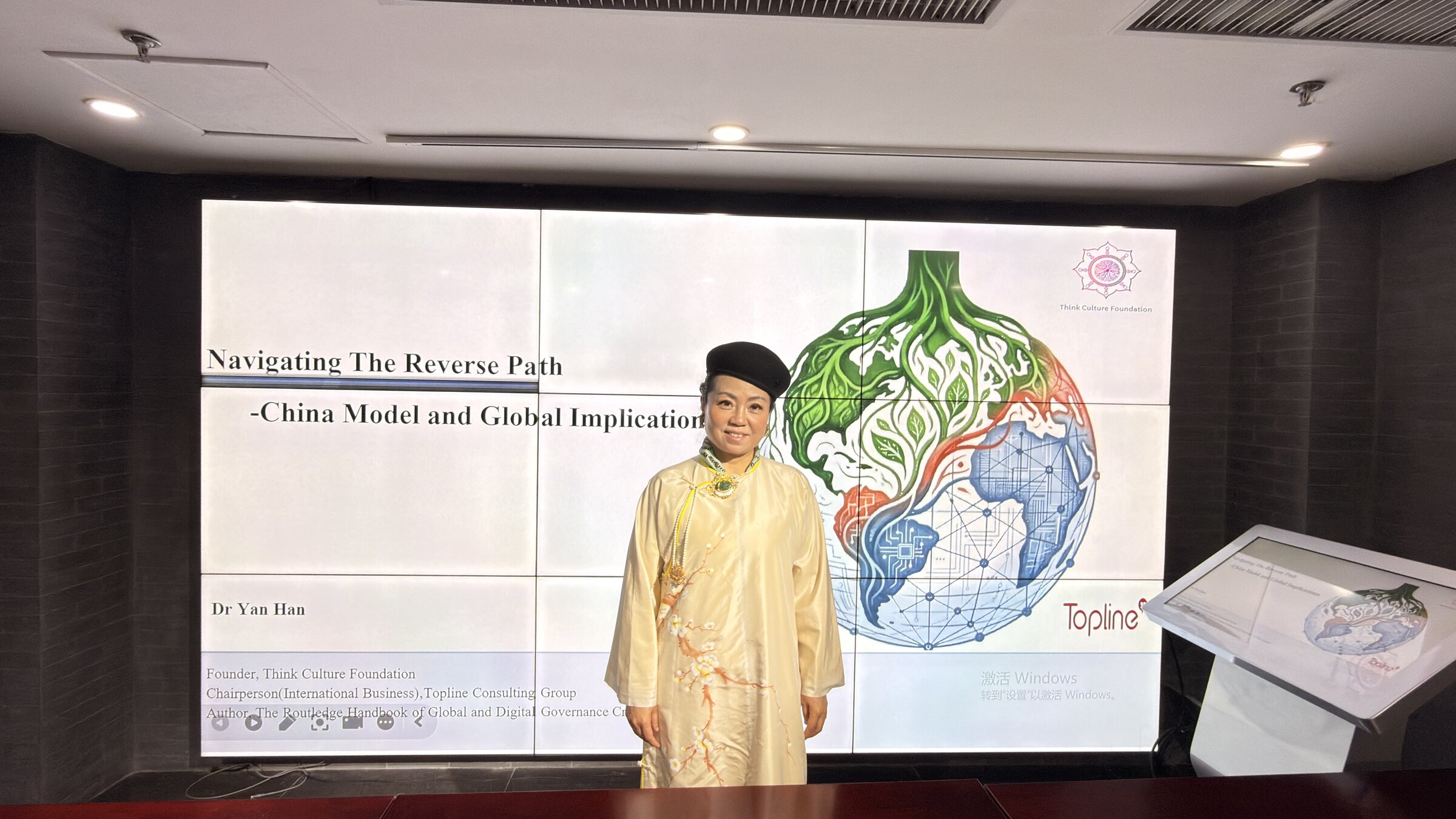
Drawing from both contemporary Chinese business transformation and traditional Chinese philosophical thought, Dr. Han introduced the framework of “Embracing Ancient Wisdom to Shape Future AI.” She explored how ideas rooted in relational thinking, long-term orientation, and holistic perspectives may offer valuable insights for emerging discussions on AI governance and sustainable development.
A key theme of her contribution was the changing role of organizations in society. In industrial economies, companies were primarily seen as producers of goods and services. In the digital economy, they became platforms for coordination and participation. In the AI era, Dr. Han argued, organizations are increasingly becoming builders of social capability and social connection.
This perspective led to broader discussions on the future of value creation. Circular economy, she suggested, should not be understood solely as the circulation of materials and resources. Future societies will also need to think about the circulation of knowledge, talent, trust, relationships, and meaning. True sustainability is not only about reducing harm; it is about continuously regenerating the conditions that allow individuals, organizations, and communities to flourish.
During the IKEA Immersion Day in Amsterdam, participants explored practical examples of circular economy, behavioral design, organizational transformation, and sustainability-driven innovation. These exchanges further reinforced the idea that future sustainability challenges require cooperation across disciplines, sectors, and cultures.
For TCF, participation in the Data CARE Festival represented more than attendance at an international event. It reflected the Foundation’s broader mission: bringing cultural wisdom into global conversations about technology, society, and the future.
As AI reshapes economies, institutions, and everyday life, TCF believes that humanity’s greatest challenge is not only to build more intelligent systems, but also to cultivate wiser societies. Connecting ancient wisdom with future possibilities will remain a central part of that journey.
The festival also created new opportunities for collaboration between TCF and international universities, research centers, businesses, and social innovation organizations, laying the groundwork for future initiatives in AI governance, cultural dialogue, sustainability, and leadership development.
At a time when technological change is accelerating, TCF remains committed to fostering conversations that connect culture, innovation, and human flourishing — helping shape a future that is not only more advanced, but also more meaningful.